📜 A Journey Through Time

Hanbok has evolved alongside Korean history, reflecting each era’s values, aesthetics, and social structure. From the Three Kingdoms period (Goguryeo, Baekje, Silla) to the Goryeo and Joseon dynasties, the shape, color, and function of hanbok changed to suit the needs and philosophies of the time.
👑 Royal hanbok was grand and symbolic, often worn by kings and queens during rituals and ceremonies.
🌾 Everyday hanbok for commoners was simple, made with natural materials like cotton and hemp, emphasizing functionality.
🎨 Hanbok by Social Class and Gender
In the Joseon Dynasty, clothing served as a symbol of social identity. Nobles (yangban) wore luxurious fabrics like silk, while commoners were restricted to plain materials and subdued colors.

- 👨🦱 Men: Wore jeogori (jacket) and baji (pants), often with a durumagi (overcoat).
- 👩 Women: Wore jeogori and chima (skirt), with shorter jeogori length introduced in later periods.
💍 Accessories like hairpins (binyeo), headgear, and shoes varied depending on rank and age.
🕰️ Hanbok Today: Echoes of the Past
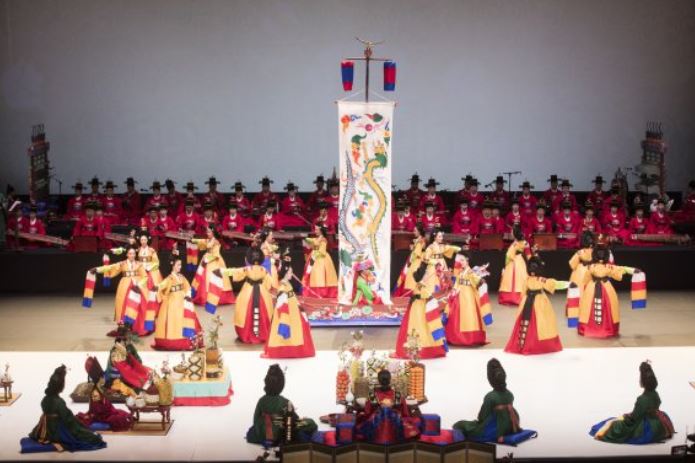
Modern hanbok still reflects these historic transitions. Designers draw inspiration from royal, noble, and commoner styles to create both traditional and contemporary looks. Whether worn for reenactments, performances, or daily wear, hanbok connects the present with Korea’s rich historical tapestry.
🎯 Final Thoughts
Understanding the history of hanbok allows us to see it not just as clothing, but as a timeline of Korean civilization. From ancient kingdoms to modern catwalks, hanbok continues to tell Korea’s story—thread by thread.
📌 Stay tuned for the next episode:
“The World of Hanbok – Episode 3: Hanbok Components Explained: Jeogori, Chima, Baji, and More”
🌟 Want to Learn More?
👉 Subscribe to follow the K-Folder journey!
From palaces to pop culture — this is K-Folder by Donna
'K-Culture' 카테고리의 다른 글
| 🧵 The World of Hanbok – Episode 1: What Is Hanbok and Why It Matters? (0) | 2025.06.09 |
|---|---|
| 💥Squid Game Season 3: Rubber Shoe Toss Game? (12) | 2025.06.07 |
| Yoon Dong-ju: The Poet Behind the Name in Good Boy, Netflix Drama (4) | 2025.06.05 |
| Korean Public Holidays (공휴일) (0) | 2025.05.22 |