Korean Public Holidays Explained
South Korea has a mix of traditional and modern holidays that reflect its culture, history, and family values. Here's a quick and friendly guide to the major public holidays you might come across.
🎉 1. New Year's Day (새해)
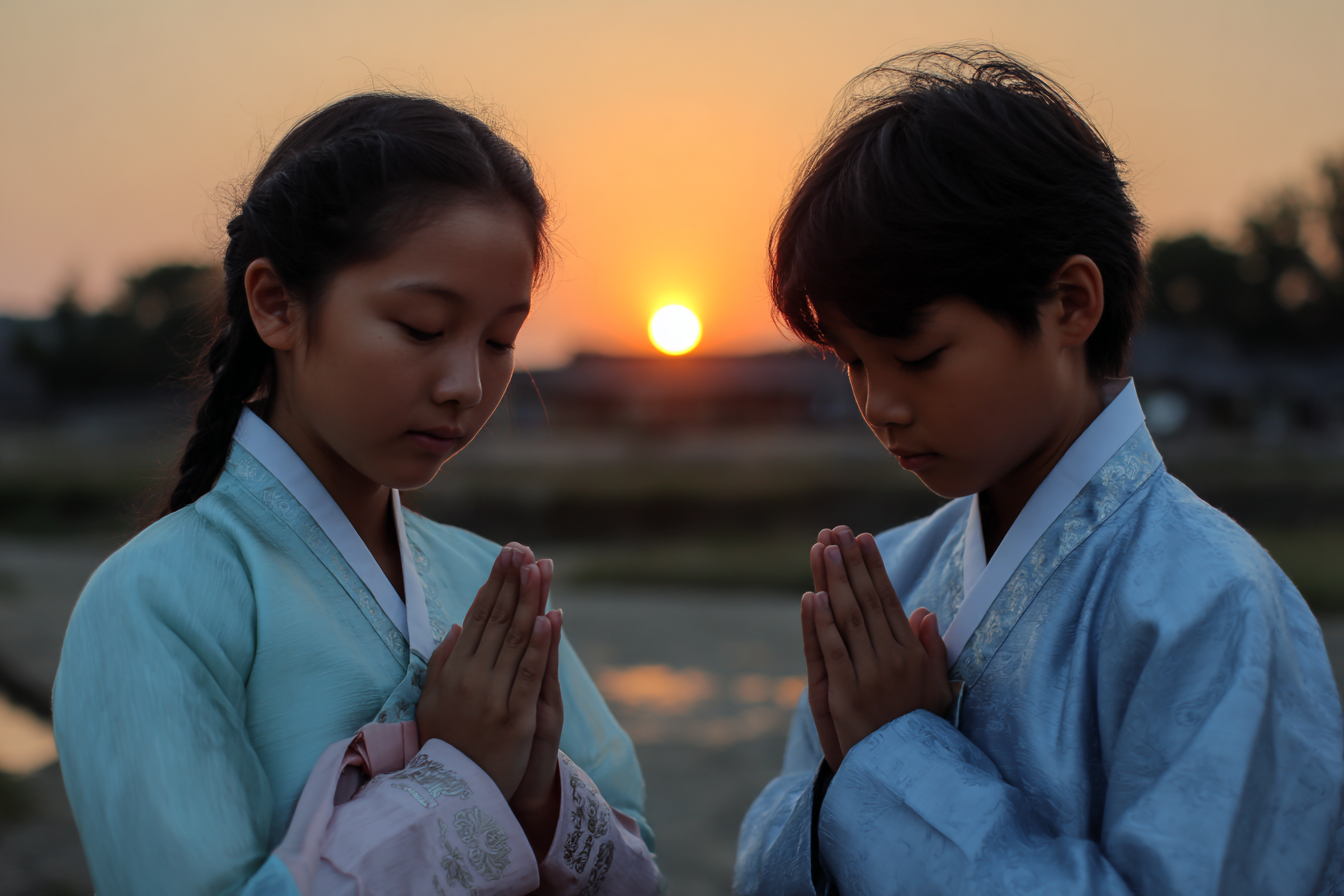
Koreans ring in the solar New Year on January 1 with family time or peaceful rest.
It’s not as big as Lunar New Year, but many people enjoy the symbolic fresh start.
Some go to the mountains or beaches to see the first sunrise of the year!
🐯 2. Seollal (설날, Lunar New Year)
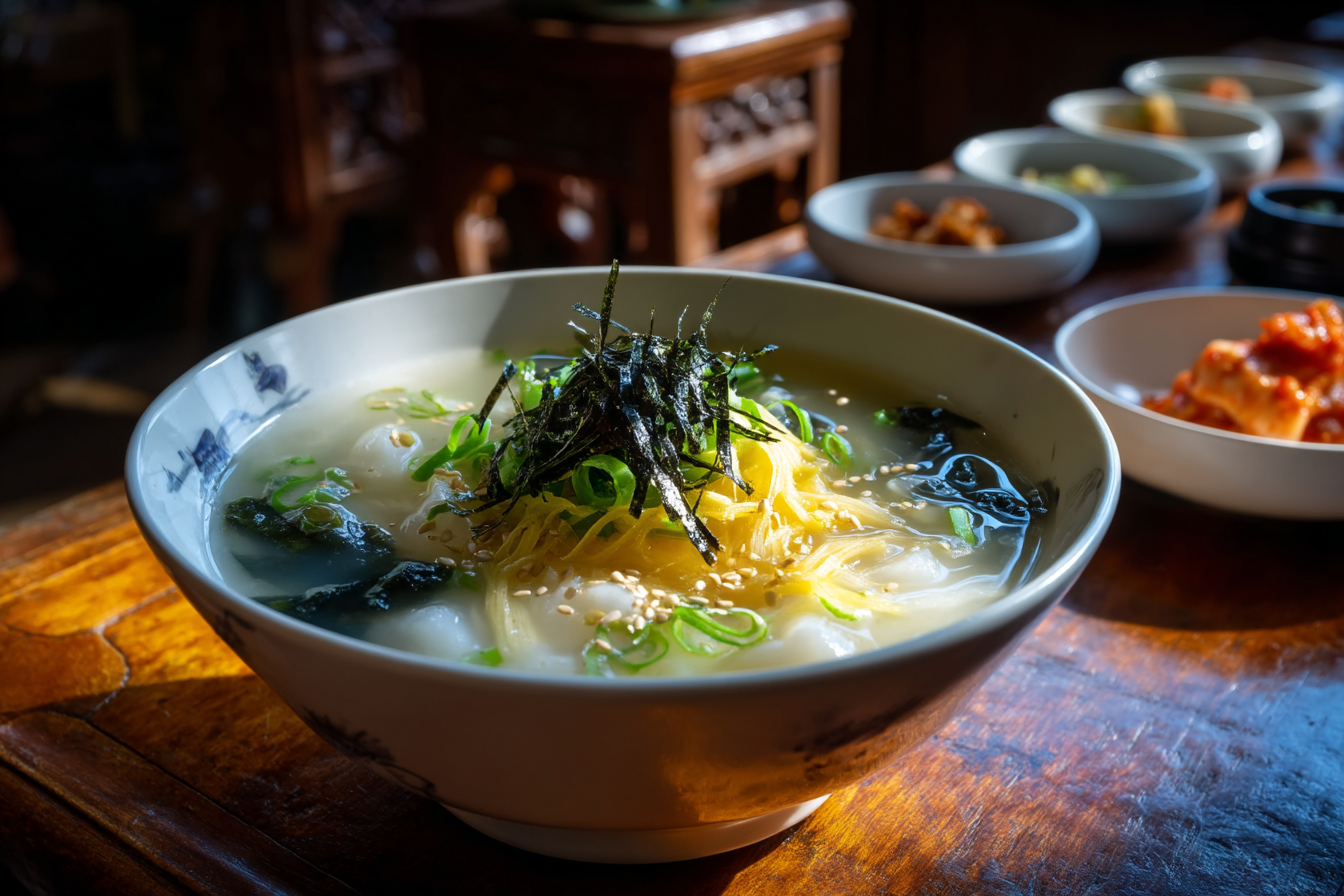
This is one of Korea’s biggest traditional holidays, celebrated for three days.
Families wear hanbok, perform ancestral rites, and eat tteokguk (rice cake soup).
Children receive money and play folk games like yutnori.
📣 3. Independence Movement Day (삼일절, March 1)
This day marks the 1919 protest against Japanese occupation.
Many ceremonies are held to honor the spirit of Korean independence.
You’ll see flags proudly displayed everywhere.
4. Buddha’s Birthday (부처님오신날)
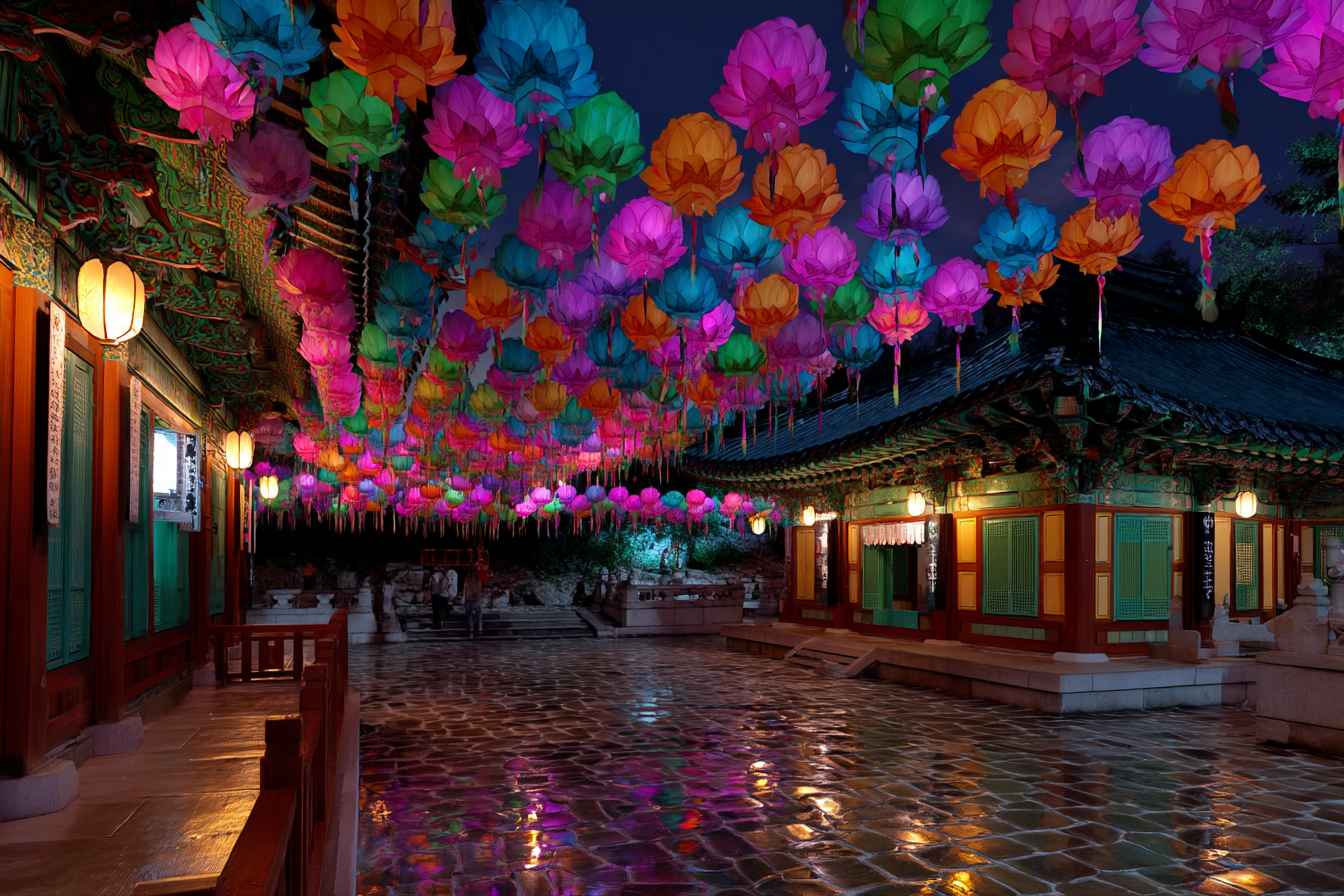
Temples glow with colorful lotus lanterns to celebrate Buddha’s birth.
Visitors enjoy peaceful vibes, light lanterns, and eat free temple meals.
A perfect mix of culture, beauty, and reflection.
👶 5. Children’s Day (어린이날, May 5)
Time to spoil the kids! Families visit parks, zoos, and amusement parks.
Kids receive presents and enjoy special shows and activities.
It's a joyful day celebrating the happiness of childhood.
🎗️ 6. Memorial Day (현충일, June 6)
A quiet, solemn day to remember those who died in service of the country.
The National Cemetery hosts ceremonies and sirens sound for a moment of silence.
Flags are flown at half-staff nationwide.
7. Liberation Day (광복절, August 15)
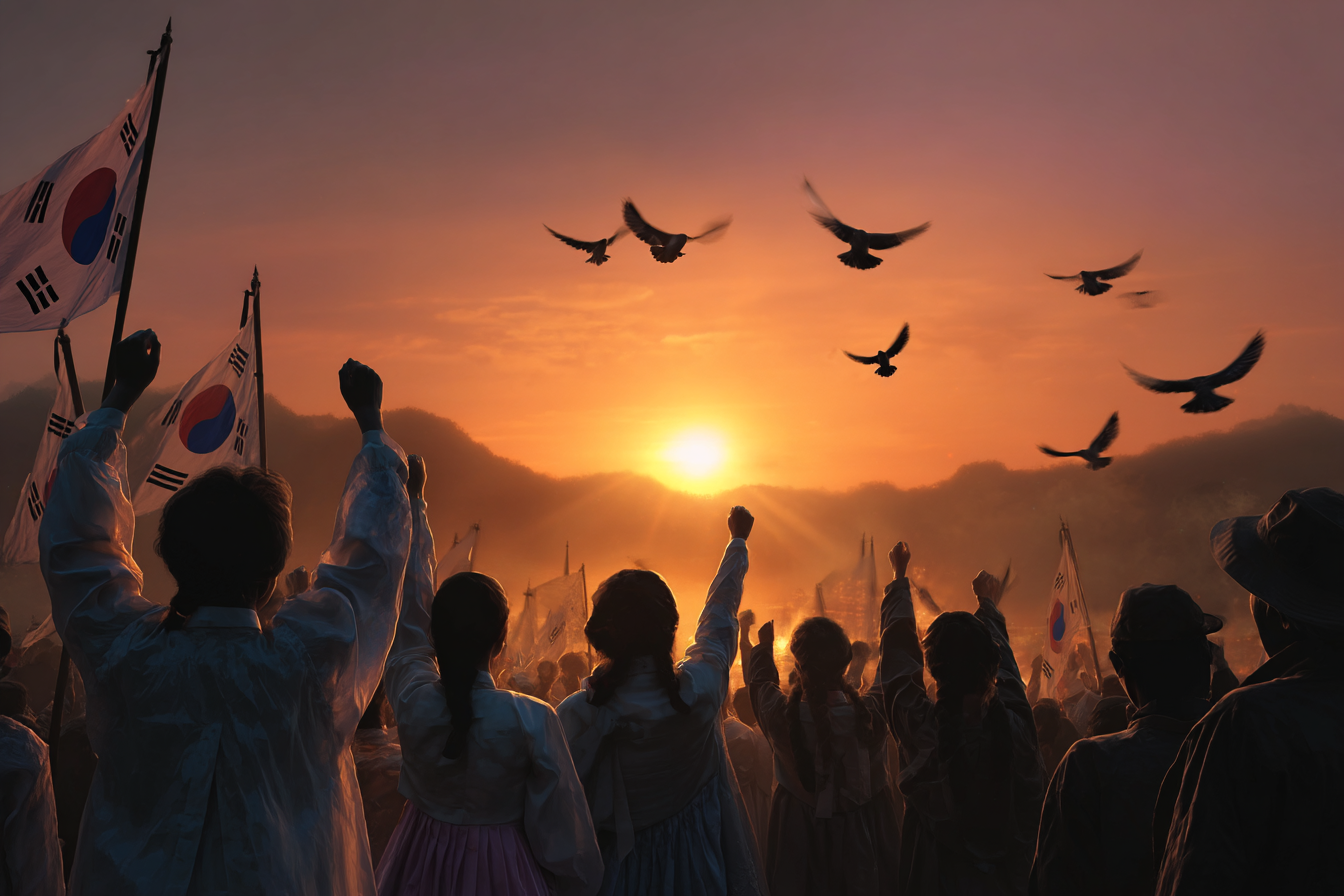
This holiday marks Korea’s independence from Japan in 1945.
It’s a day full of national pride, speeches, and flag waving.
Celebrations remind everyone of the country's hard-won freedom.
🌕 8. Chuseok (추석, Korean Harvest Festival)
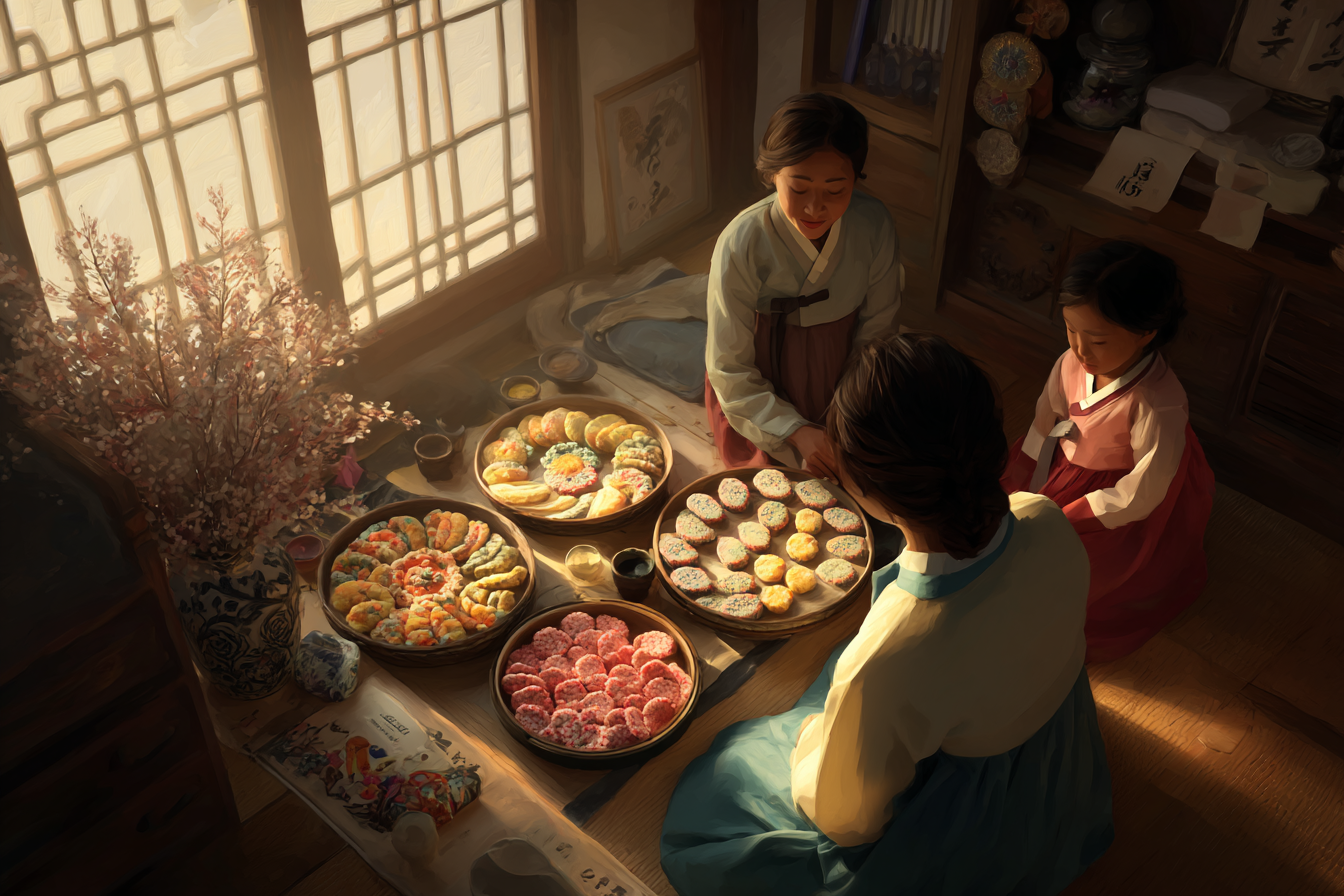
Korea’s version of Thanksgiving! Families reunite and honor their ancestors.
Traditional foods like songpyeon (rice cake) are shared in abundance.
Major travel happens as people head to their hometowns.
🏛️ 9. National Foundation Day (개천절, October 3)
This day honors the founding of the Korean nation by the legendary Dangun(단군).
Traditional ceremonies take place at sacred sites.
It’s a reminder of Korea’s long and proud history.
10. Hangeul Day (한글날, October 9)
Hangeul, the Korean alphabet, was created by King Sejong in 1443.
This day celebrates the beauty and science behind the language.
It’s a favorite for language lovers and linguists!
🎄 11. Christmas Day (크리스마스, December 25)
More of a romantic or social holiday than a religious one in Korea.
Couples go on dates, friends meet up, and streets shine with festive lights.
Gift exchanges and café desserts are a big deal!
📅 Substitute Holiday System (대체공휴일)
When a major holiday falls on a weekend, Korea gives you the next weekday off instead!
In 2025, extra days off include March 3 (for March 1), May 6 (overlap), and October 8 (for Chuseok).
That brings the total to 14 days off in 2025. Not bad, right? Good to know when you are in Korea!
📝 Wrapping Up
Korea’s public holidays blend ancient traditions with modern culture. Whether you're traveling or living here, knowing these days helps you join the rhythm of local life—and maybe even plan a great long weekend.
🌟 Want to Learn More?
👉 Subscribe to follow the K-Folder journey!
From palaces to pop culture — this is K-Folder by Donna.
'K-Culture' 카테고리의 다른 글
| 🧵 The World of Hanbok – Episode 2: From Royal Courts to Modern Streets (31) | 2025.06.10 |
|---|---|
| 🧵 The World of Hanbok – Episode 1: What Is Hanbok and Why It Matters? (0) | 2025.06.09 |
| 💥Squid Game Season 3: Rubber Shoe Toss Game? (12) | 2025.06.07 |
| Yoon Dong-ju: The Poet Behind the Name in Good Boy, Netflix Drama (4) | 2025.06.05 |